Imagine a world where you don’t have to rely on banks or financial institutions to manage your money. In that world, you are the owner of your finances and can make transactions, take loans, save, and invest, all quickly, securely, and without an intermediary. This is the world that decentralized finance, or DeFi, is building, powered by cryptocurrencies and blockchain. If you’re wondering how all this works and why it is being considered the future of finance, keep reading.
Explore the future of finance with Blockchain!What is DeFi and how does it work?
Decentralized finance, or DeFi, refers to a set of financial applications that use blockchain technology to operate without the need for intermediaries. What does this mean in simple terms? Traditionally, finance depends on banks, lenders, insurers, and other centralized entities to make transactions happen securely. However, in a DeFi system, these transactions are managed by smart contracts, which are automated programs that execute operations based on predefined conditions.
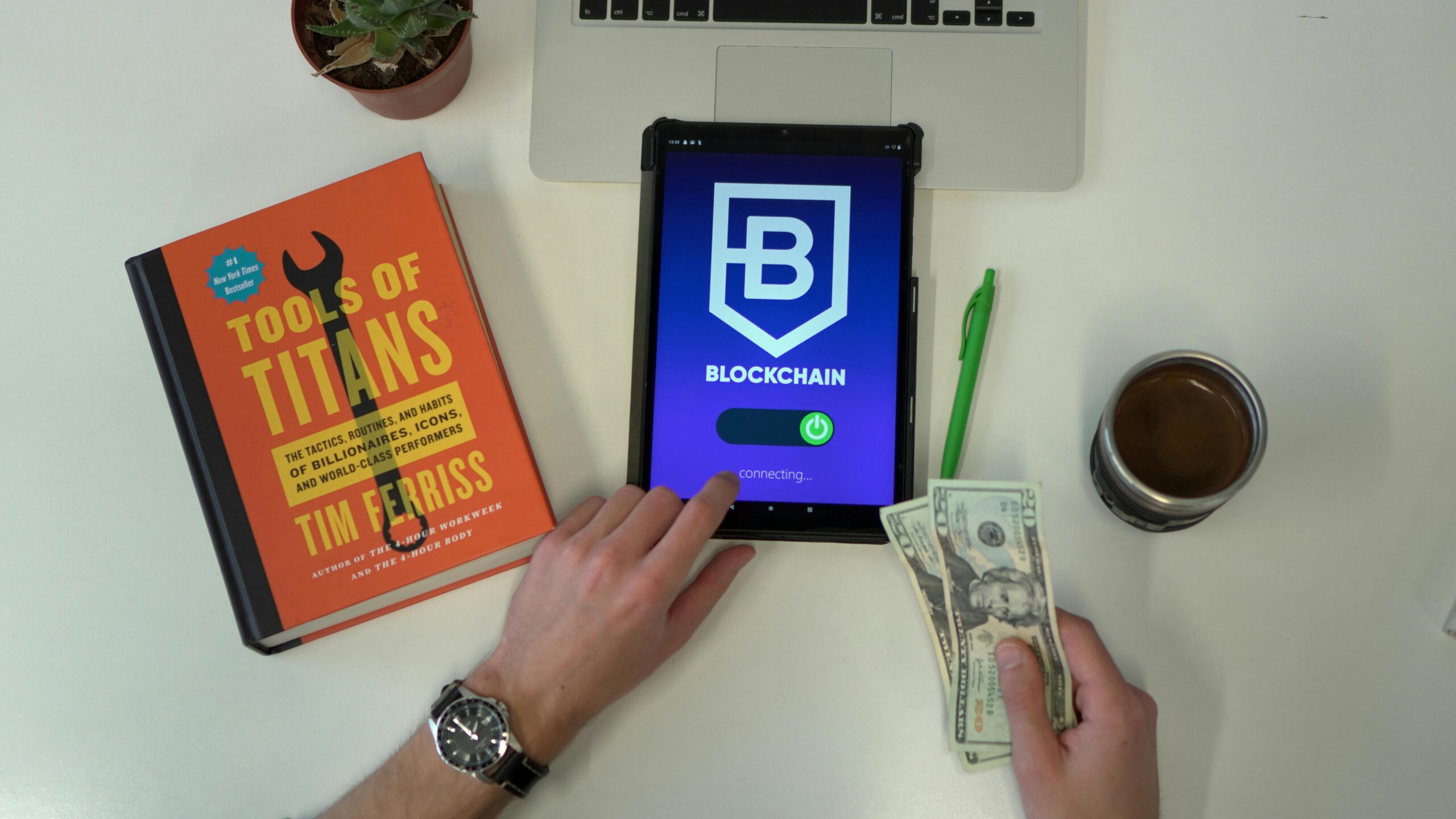
Blockchain is a technology that allows for secure and transparent data storage, which means that all transactions made within DeFi are verifiable by anyone on the network. The process is completely transparent, increasing trust in the system.
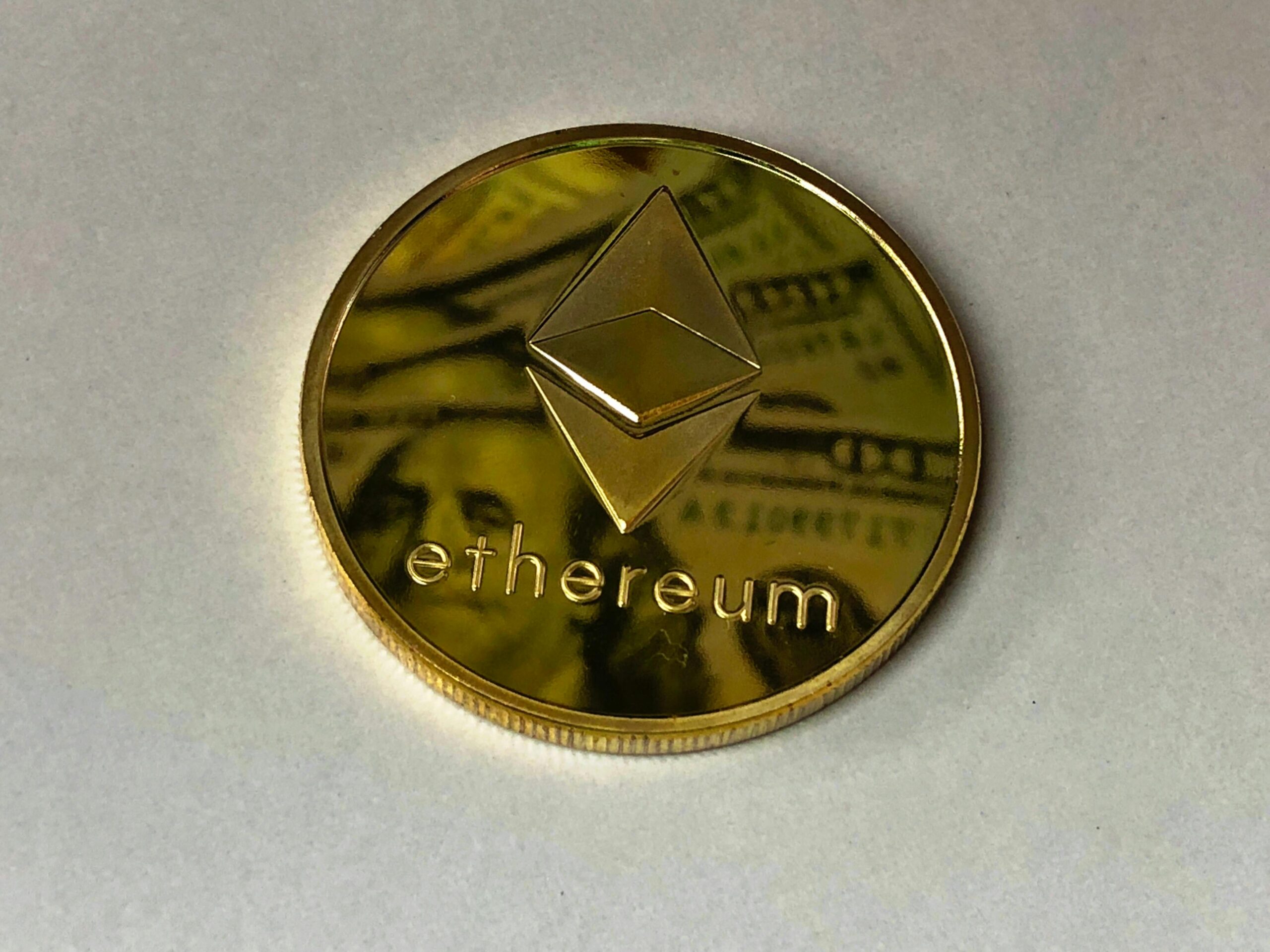
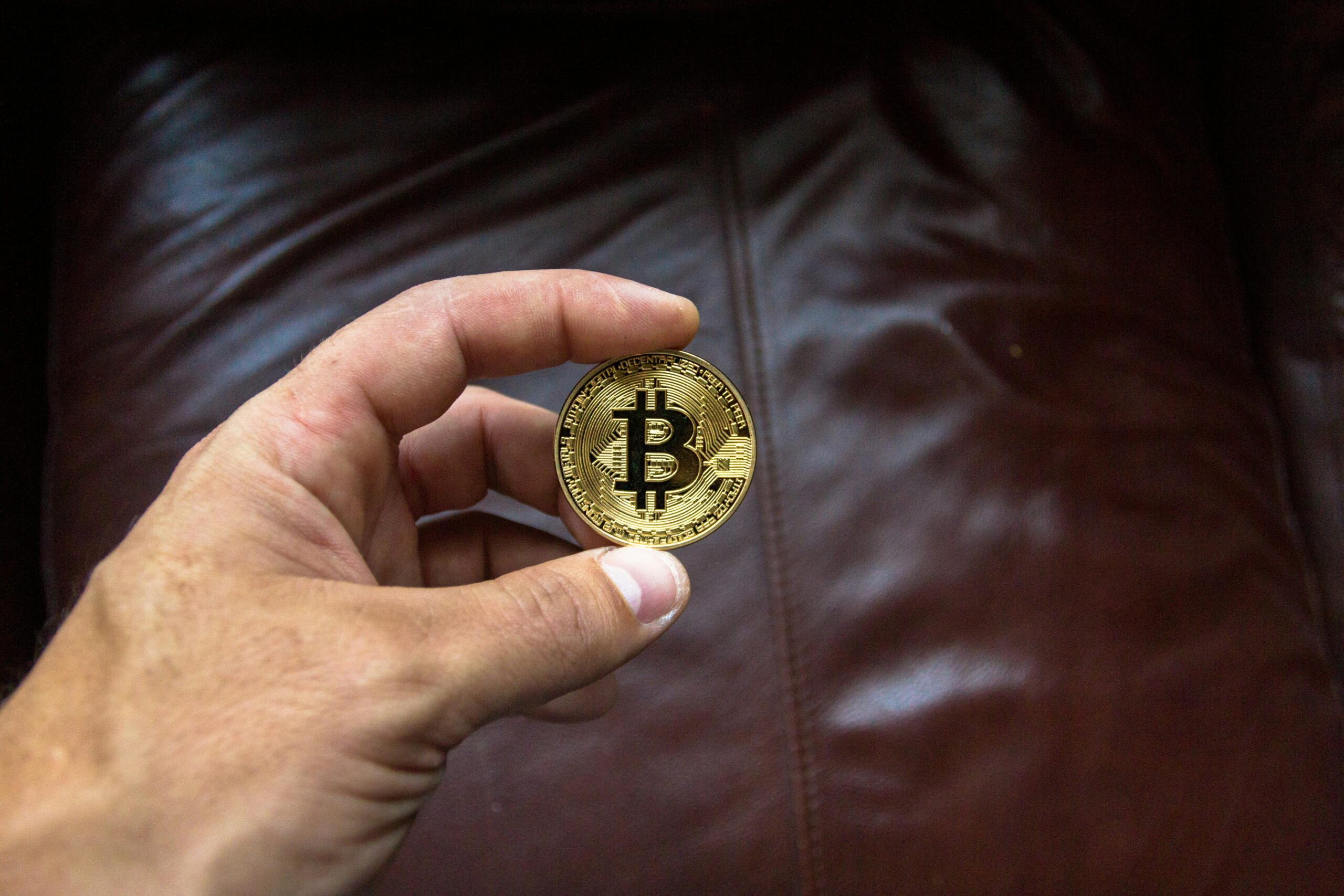
Cryptocurrencies like Ethereum and Bitcoin fuel these platforms. Users can use these digital currencies to make payments, get loans, or even invest in a variety of assets without relying on traditional intermediary services.
Key components of DeFi
Smart contracts
Smart contracts are one of the cornerstones of DeFi. These are computer programs that automatically execute actions when certain conditions are met. For example, if someone lends money on a DeFi platform, a smart contract could ensure that the borrower repays the loan within the agreed-upon timeframe, or otherwise, an automatic penalty would be triggered. This eliminates the need to trust a person or entity, as the contract’s programming ensures everything is done fairly and automatically.
Tokens and cryptocurrencies
In the DeFi world, cryptocurrencies like Bitcoin and Ethereum are the main forms of money. Additionally, many DeFi platforms create their own tokens to reward users who interact with their network, such as the DAI token in MakerDAO’s lending system. These tokens can also be used to vote on important decisions within the platform, giving users the power to actively participate in the ecosystem.
Lending protocols
One of the most common services within DeFi is the ability to borrow or lend money. Unlike banks, where you need to provide collateral and go through a long approval process, in DeFi, you can get a loan in minutes, as long as you have the right cryptocurrencies as collateral. At the same time, lenders receive returns from the interest applied to loans.
Decentralized exchanges (DEX)
Decentralized exchanges, or DEX, are platforms where users can exchange cryptocurrencies directly with each other, without the need for a third party to control the process. An example is Uniswap, which allows users to buy and sell cryptocurrencies directly between them through smart contracts. Being decentralized, these exchanges don’t require funds to be deposited in a centralized account, reducing the risks of hacking.
Stablecoins
Stablecoins are cryptocurrencies whose value is tied to a stable asset, like the US dollar. This helps mitigate the volatility inherent in cryptocurrencies. A popular example of a stablecoin is Tether (USDT), which always stays close to 1 USD. Stablecoins allow DeFi platforms to operate more steadily, as users don’t have to worry about value fluctuations when making transactions or taking out loans.
Why is DeFi the future of finance?
Global accessibility
One of DeFi’s biggest advantages is that it is available to anyone with internet access. No matter where you are in the world, you can access DeFi platforms and use their services, even if you don’t have a bank account. This can be especially beneficial for people living in countries where banking services are limited or ineffective.
Transparency and security
Since DeFi platforms run on blockchain, all transactions are public and verifiable by anyone on the network. This creates significant trust, as there is no need to rely on a third party to manage users’ money. Moreover, DeFi platforms are generally more secure than traditional systems because blockchain technology is extremely difficult to hack.
Disintermediation
DeFi removes the intermediaries traditionally involved in financial transactions. This not only reduces costs but also speeds up the process. For example, in a traditional loan system, you would have to wait days or even weeks for your loan to be approved. In DeFi, smart contracts handle the process in real-time, making transactions much faster and more efficient.
Constant innovation
DeFi is still in its early stages, which means new ideas and technologies are constantly emerging. This encourages ongoing innovation, with new financial services and solutions being developed continuously. This flexibility and ability to quickly adapt to change is one of the reasons why DeFi is believed to be the future of finance.
Challenges and risks of DeFi
Although DeFi has enormous advantages, it also faces several challenges that could hinder its widespread adoption.
Scalability
One of DeFi’s main limitations is the scalability of blockchain networks. DeFi platforms, especially those operating on Ethereum, can become slow and expensive when demand increases. This could limit DeFi’s ability to serve millions of users efficiently unless significant technological improvements are implemented.
Smart contract risks
While smart contracts are generally secure, they can have programming flaws or vulnerabilities that hackers could exploit. An error in the code of a smart contract could result in the loss of funds or unwanted transactions. Therefore, users need to be cautious when interacting with unaudited smart contracts.
Cryptocurrency volatility
Cryptocurrencies are known for their volatility. This instability can affect DeFi users’ ability to maintain value in assets. For example, if you take out a loan in a cryptocurrency that quickly loses value, you could face difficulties in repaying it. Although stablecoins help mitigate this risk, they are not a perfect solution.
Uncertain regulation
The regulation of cryptocurrencies and DeFi is a topic of ongoing debate. Many governments have not set clear rules for how DeFi platforms should operate, creating legal uncertainty. Additionally, some countries may decide to ban certain DeFi-related activities, which could impact the growth of these platforms.
The future of DeFi and its impact on global finance
DeFi’s impact on global finance could be profound. If DeFi platforms continue to grow and improve, they could change how people interact with money. The ability to access financial services without relying on banks or governments could democratize finance on a global scale.
As users become more familiar with the technology, DeFi adoption could surge, leading to the creation of new investment and savings opportunities. DeFi platforms also have the potential to reduce financial inequality by providing everyone, regardless of their location, access to services that were previously only available to the wealthiest or those with access to banks.